
There is far less food waste because of plastic packing, which also allows food to travel farther distances and remain on shelves for longer periods of time. Because of the massive energy expenditure involved in producing food, it is often ecologically sound to preserve it for as long as feasible. Liquids, gels, powders, out-of-season produce, and other specialized commodities are all safely transported throughout the world in this substance.
Plastics come in a wide variety of shapes and sizes, and their functional features range from food-safe to flexible to see-through to opaque to chemical- and heat-resistant. Therefore, plastics are the superior packaging material for many contemporary needs. A lot of the things people rely on on a daily basis would be much harder to move and use if plastic packaging wasn’t around to meet all these needs.
To what end do we use plastic?
- Containers made of plastic packaging in Australia, which does not shatter when dropped or knocked over, are ideal for use in the restroom, around children, at the pool, on the beach, or when traveling.
- Cleanliness: plastic packaging prevents the spread of bacteria. It’s especially helpful for pharmaceutical packaging because it eliminates the need for human interaction in the filling and sealing processes.
- Plastic packaging is lightweight and can be compressed to take up less room than other materials, resulting in less weight being carried by aircraft and trucks and thus less emissions being produced.
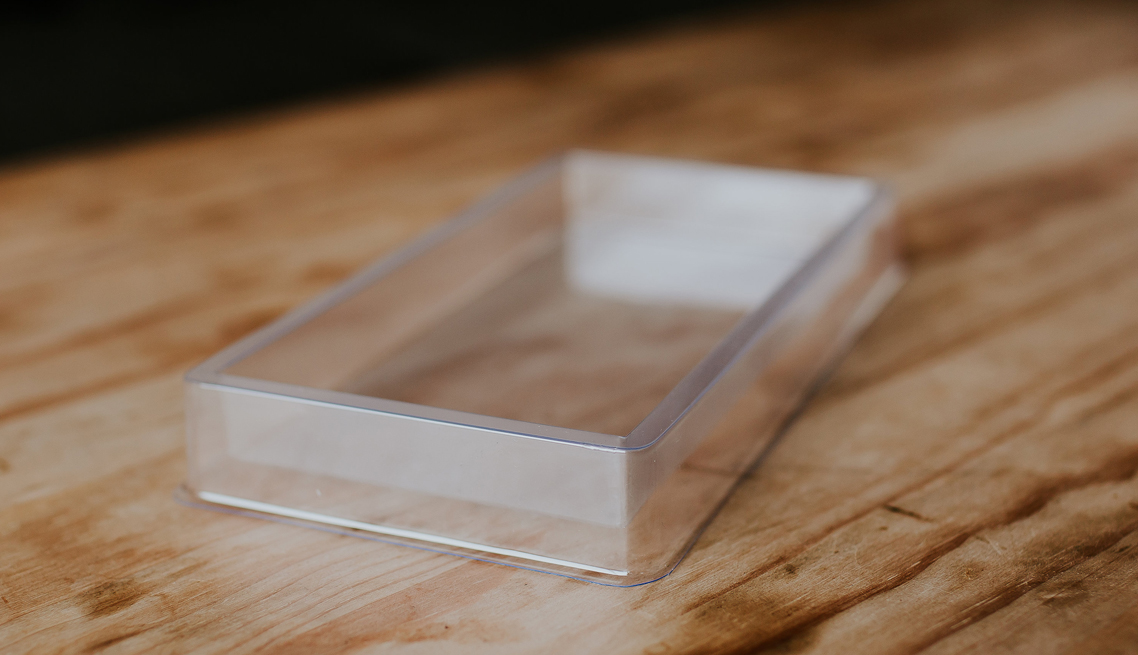
- Safe: plastic can be molded into various locking mechanisms or simply sealed tight.
- Packaging made of plastic is so sturdy that it can be remarkably lightweight despite its strength.
- Plastics are very adaptable because of their malleability. There are a few different ways to create them, including blowing, injecting, and thermomolding. In other words, it’s suitable for storing and transporting condiments like sauces and pastes.
- Plastic packaging is recyclable because it can be broken down into its component parts and used to make new objects. Recycling rates and the variety of plastics recycled in the UK have both been on the rise in recent years.
To what end do we require plastic containers?
In today’s world, we rely heavily on plastic packaging because of the many advantages it provides:
- Safeguards: keeps perishable goods safe from the elements, as well as any potential contaminants throughout shipping.
- Product preservation extends their usable life, hence reducing waste since consumers have more time to utilize or consume them before they go bad.
- Saves money by preventing disorganized storage and wasted liquid.
- Transportation: enables long-distance travel, thereby expanding our availability of non-local produce and fostering trade. Space is conserved and transit efficiency is increased since items can be stacked.
- packaging that clearly and conspicuously displays information crucial to the consumer, such as ingredients and precautions for those with food allergies.
About the Author


