
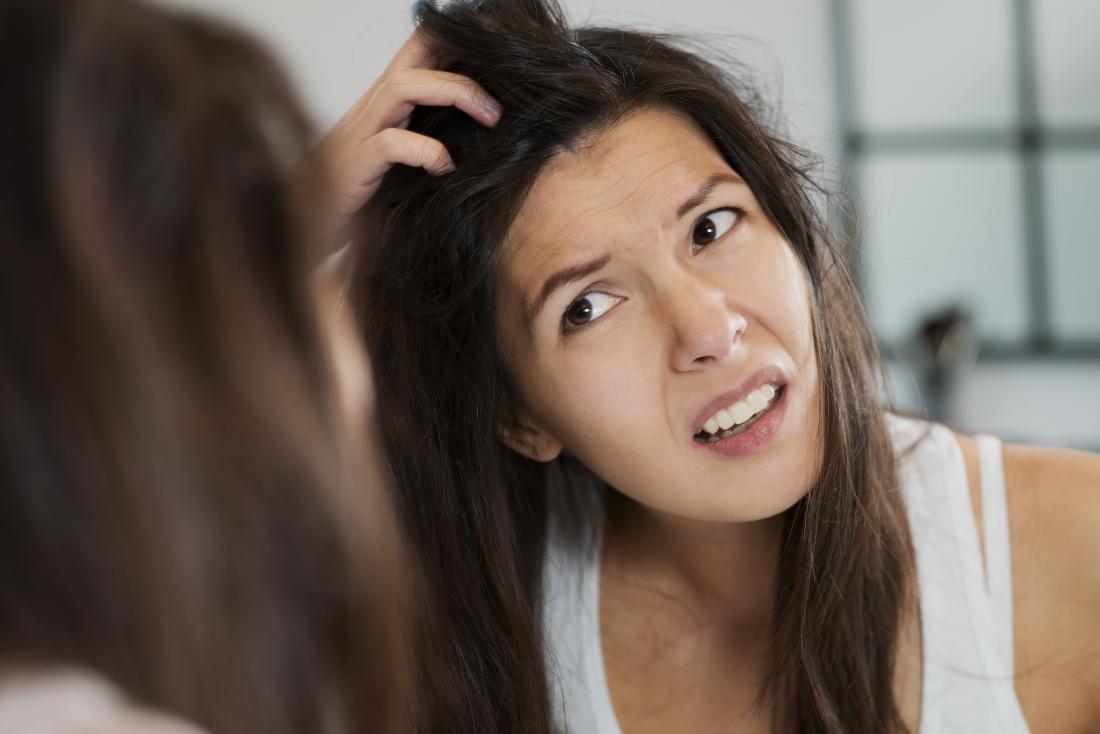
Lice in the human scalp are a worldwide problem. Head lice are most frequent in elementary school aged children, although they can also infest pre-schoolers in daycare and the family members of affected children. Infestations affect youngsters aged 3 to 11, with an annual estimate of 6 to 12 million cases in the United States alone. Many of our customers come to us asking, “Why aren’t my head lice going away, despite trying everything I know to do?” These are just some of the most common reasons why your head lice won’t leave your scalp alone.
OTC (Over-The-Counter) Products Are Ineffective
Over-the-counter (OTC) solutions often fail to eradicate resistant lice, exposing the youngster to possibly dangerous chemicals through unnecessary repeat applications. The diagnosis of pediculosiscapitis must be established when over-the-counter lice treatments fail to alleviate symptoms. Although a diagnosis of head lice is usually simple, a complete head inspection may take several minutes, especially if the child being examined has particularly thick, tangled hair. Dandruff and hair casts are often misdiagnosed as nits by worried parents. Head lice have been shown to be resistant to many over-the-counter treatments. Super Lice refers to lice that are resistant to pesticides.
Use Of Cheap Lice Combs
You’re not picking deep enough. Traditional nitpicking has been the most successful method of eliminating head lice. Lice and its eggs can be removed by combing (nits). These small pieces of insect “superglue” are what keeps hair in place. Standard over-the-counter lice treatments typically include a flimsy comb that can’t possibly remove all of the nits. The difficulty is that even if you miss a single nit, it will hatch, the lice will reproduce, and the cycle will begin again.
Stop Using Home Remedies
In most cases, home treatments are either ineffectual or downright harmful. You can find many people online who will swear by home remedies for lice, such as mayonnaise, petroleum jelly, olive oil, vodka, and even kerosene. While there are a variety of approaches, one common practice involves wrapping a child’s head in a plastic wrap with one of these substances before bed. Kerosene and other highly combustible and hazardous substances should be avoided at all costs.
Keep Household Members’ Scalp In Check
If you don’t check everyone in the house, you might miss anything. Many guardians wrongly believe that their child is the only one in his or her class or daycare who has contracted the parasite. Typically, the opposite is true. Since head lice are spread by close personal contact, the entire family, including the parents, may become infected. If only one member of a household is tested for lice and given treatment, the problem will likely return after the cured person interacts with other members of the household.
You have been warned against future missteps. If you’ve been having trouble getting rid of those annoying head lice, it could be due to one of these factors. Shaving the head of a person infested with head lice is the only surefire technique to get rid of them. Lice can’t attach to shaved heads. But, nobody, young or old, finds that appealing. If that is not a possibility, you can also try a spray to keep the lice away. I highly recommend you look into this head lice prevention spray right now.
About the Author


